
For ATM Cave, what to wear and how to prepare
For ATM Cave, what to wear follows the route: closed shoes for water and rock, then socks in the dry archaeological area under the operator’s instructions. Discuss the exact footwear with your chosen operator rather than buying shoes from a generic packing list. The visit combines a forest approach, swimming, wading and climbing, so preparation starts with understanding the physical demands.
Actun Tunichil Muknal is an archaeological site near Teakettle in the Cayo District. Arrange access in advance through a licensed operator and an ATM-certified guide. The tour comparison and entry and package costs help with the booking decision; this guide concentrates on what participation requires once you have chosen the outing.
How hard is ATM Cave?
The route includes swimming, wading, uneven rock and climbing over rocks. It asks more of you than a walk through an exhibition or a stroll along a paved trail. A life vest, helmet and light are required. Being provided with a life vest does not replace the swimming ability required for entry. Think about the whole outing, including the approach and return, when deciding whether to participate.
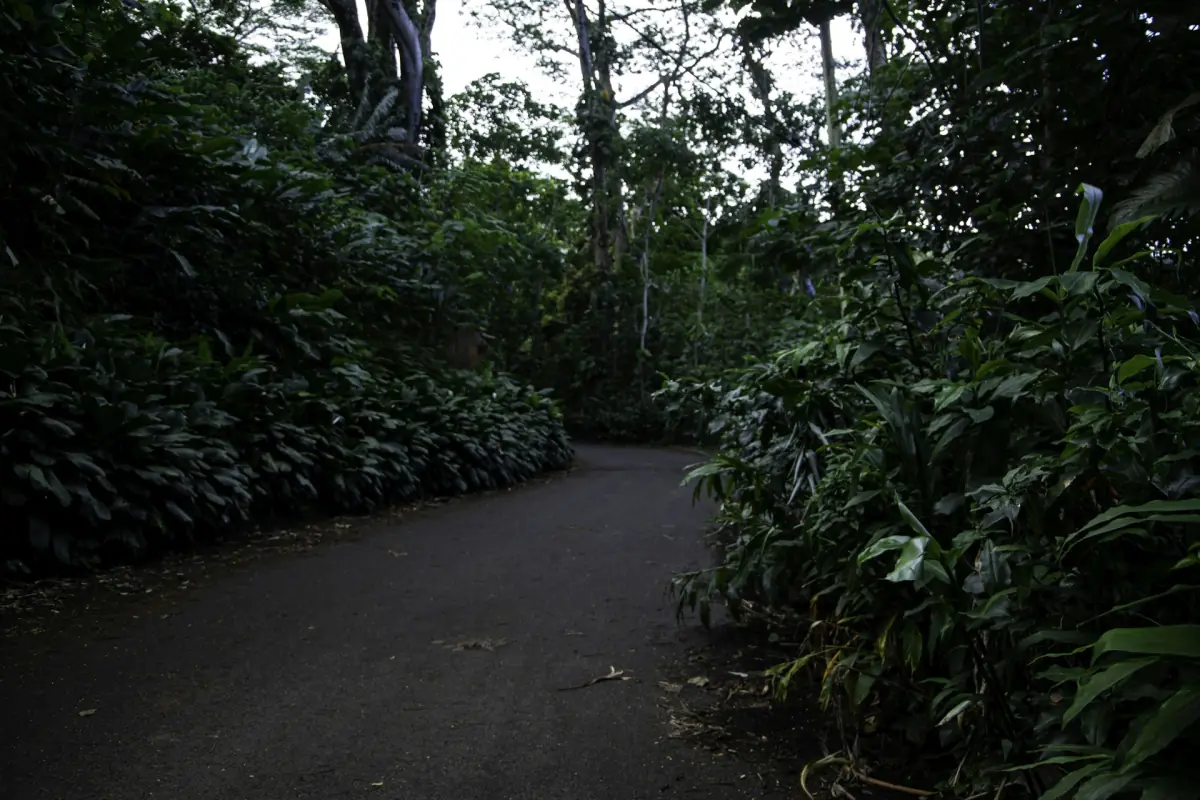
The forest approach is part of the cave excursion. Visitor guidance describes roughly 45 minutes to the entrance with river crossings, rather than a separate walking attraction. Road travel and the return journey come in addition. Avoid equating that approach time with the length of the complete day. The San Ignacio departure guide explains how the meeting point fits into the outing.
Water conditions can change, and high water can prevent a visit. Check the operating status for your date with the organiser. No calendar month makes the route certain to run: use the seasonal planning guide to understand the regional pattern while leaving the day’s access decision to the operating arrangements.
Plan a guided cave visit
Our take: This tour includes entrance and equipment for the cave visit.
Hand-picked tours, booked through Viator. Prices are indicative starting prices in US dollars (as of October 2026). Tap a tour for live availability and the current price in your currency.
An organised visit with route equipment
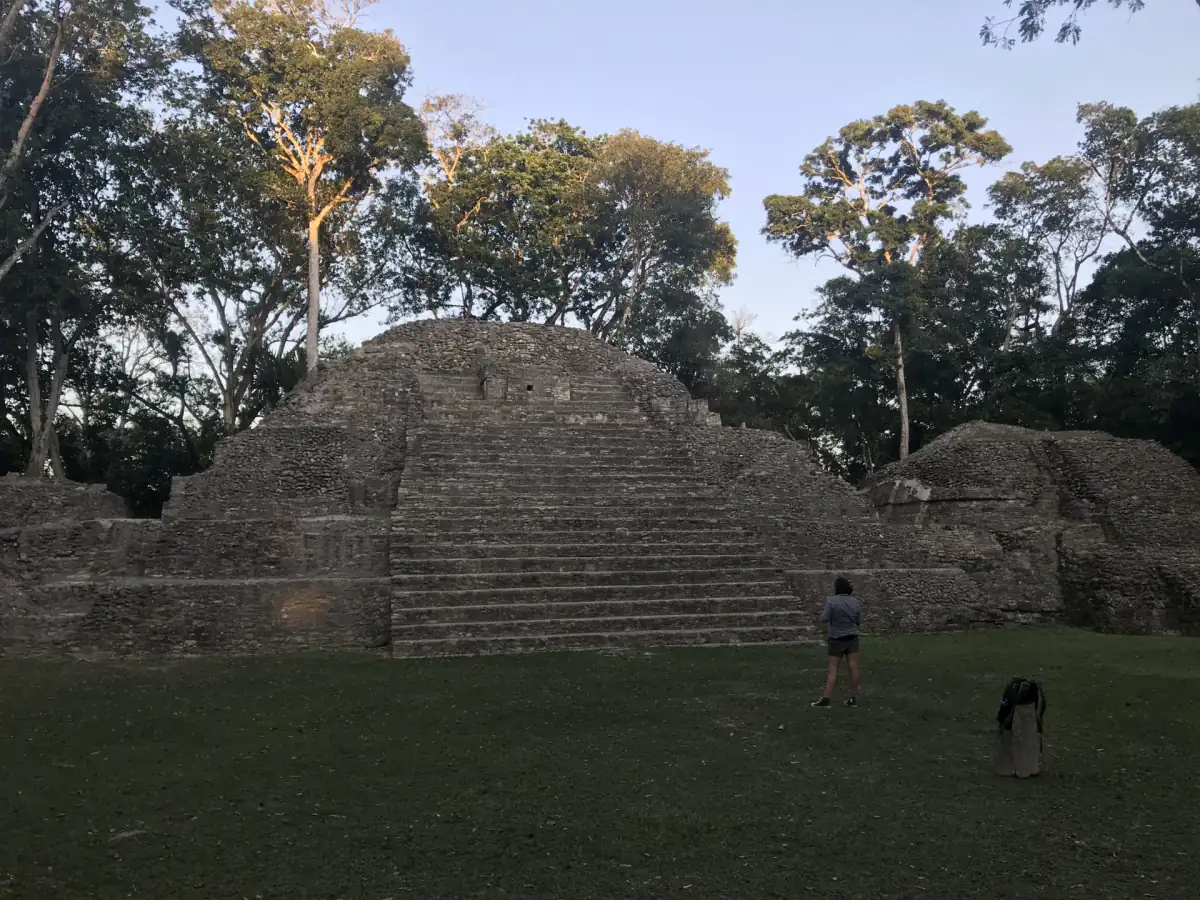
This outing includes a professional guide, entrance, life vest, helmet, headlight, lunch and an air-conditioned vehicle, with agreed meeting points.
What to bring and what stays outside
Closed footwear belongs to the wet and rocky route. In the dry archaeological area, the operator’s instructions require shoes to come off and socks to be worn to protect the surface. These are different stages of one visit. Ask which footwear the organiser accepts, as requirements for shoes sold as water shoes differ between offers. Follow the guide’s instructions when changing from one area to another.
Keep packing focused on the actual requirements. The operator guidance says that only the guide carries a bag into the cave. Discuss necessary medication or an inhaler beforehand so the practical arrangements are agreed. Medical requirements deserve an individual conversation; they are not a reason to assume an exception for a personal phone or to carry a bag against instructions.
Cameras, video equipment and recording devices are prohibited inside ATM. Plan to experience the cave without making images or recordings there. This rule protects a place containing fragile archaeological material and human remains. Keep photography plans for other parts of your journey and follow the device instructions given before entering.
Children and participation conditions
The national child height requirement is at least 40 inches, equivalent to 101.6 cm. This measurement is separate from age. One operator advertises an age condition of six and older; another recommends the outing from twelve. These are distinct offer conditions and recommendations, rather than a single national minimum age. Meeting the height requirement alone does not establish that the child can manage the route.
Consider swimming ability and physical demands for every participant. Admission categories for young children are fee categories, not a promise of participation. Discuss the specific offer conditions before organising a family day. If you need medical advice about fitness for swimming, wading or climbing, seek individual advice rather than treating a general travel guide as a medical clearance.
Respect for the site and opening hours
Do not touch or remove artefacts or cave formations. Follow marked routes, signs and the guide’s directions; do not run or jump. The archaeological area is a place to observe carefully, with human remains treated respectfully. The history of the cave explains why objects and their positions matter together, rather than as isolated sights.
The regulation dated 13 January 2025 gives a daily operating window of 08:00 to 17:00. Visitor guidance sets the last tour at 14:00 and no cave entry after 15:00. These are planning limits, not today’s access announcement or the time to arrive at your town meeting point. Agree that meeting point separately; the outing shown here uses arranged meeting locations rather than general hotel collection.
Visitor questions
Does a life vest replace the swimming requirement?
Swimming ability is required as well as the life vest. Treat swimming, wading and rock passages as essential participation demands, not optional activities.
Why do I need socks as well as shoes?
They serve different sections. Closed shoes are for the water and rock route; the operator requires socks after shoes are removed in the dry archaeological area.
Can I take photographs inside?
Cameras, video equipment and recording devices are prohibited inside ATM. Discuss any medical device need in advance without assuming a general phone exception.